

Custom PU Sandwich Panel Manufacturer
Glostar manufactures PU (polyurethane) sandwich panel systems suitable for cold storage facilities, industrial plants, warehouses, logistics buildings, and commercial projects—particularly for applications requiring high thermal insulation efficiency, rapid installation, and lightweight panels. We can also supply panels with other core materials, such as PIR sandwich panels, rockwool sandwich panels, and glass wool sandwich panels.
- Custom steel-sheet thickness, coating and color
- Technical support for selection and installation details


Glostar PU Sandwich Panels Support Building Project
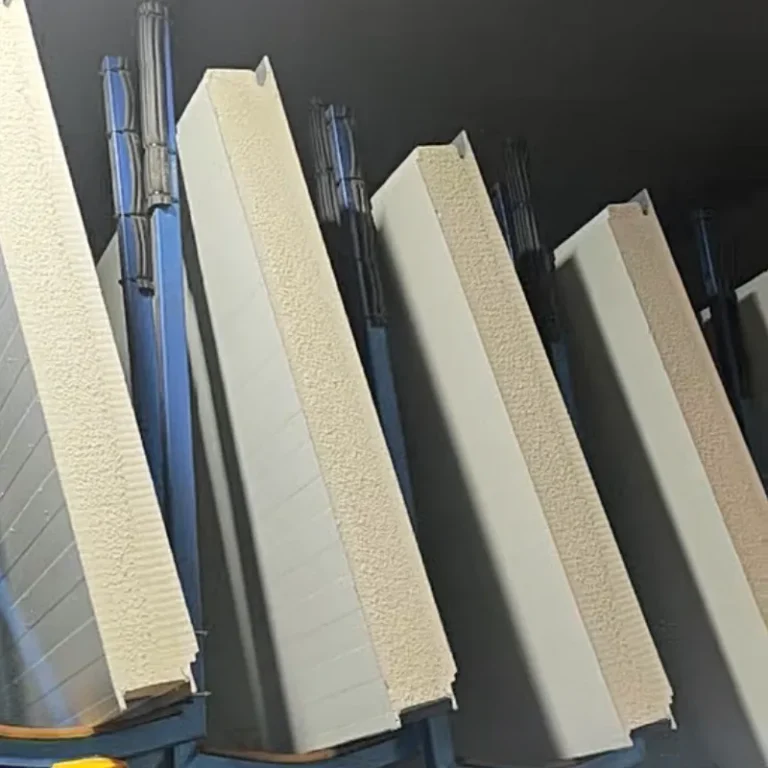
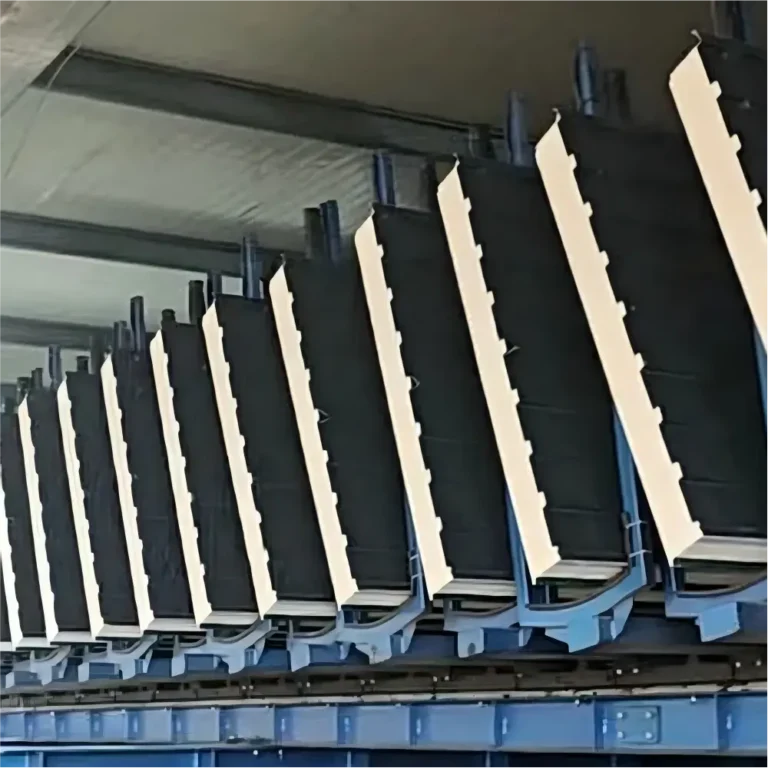
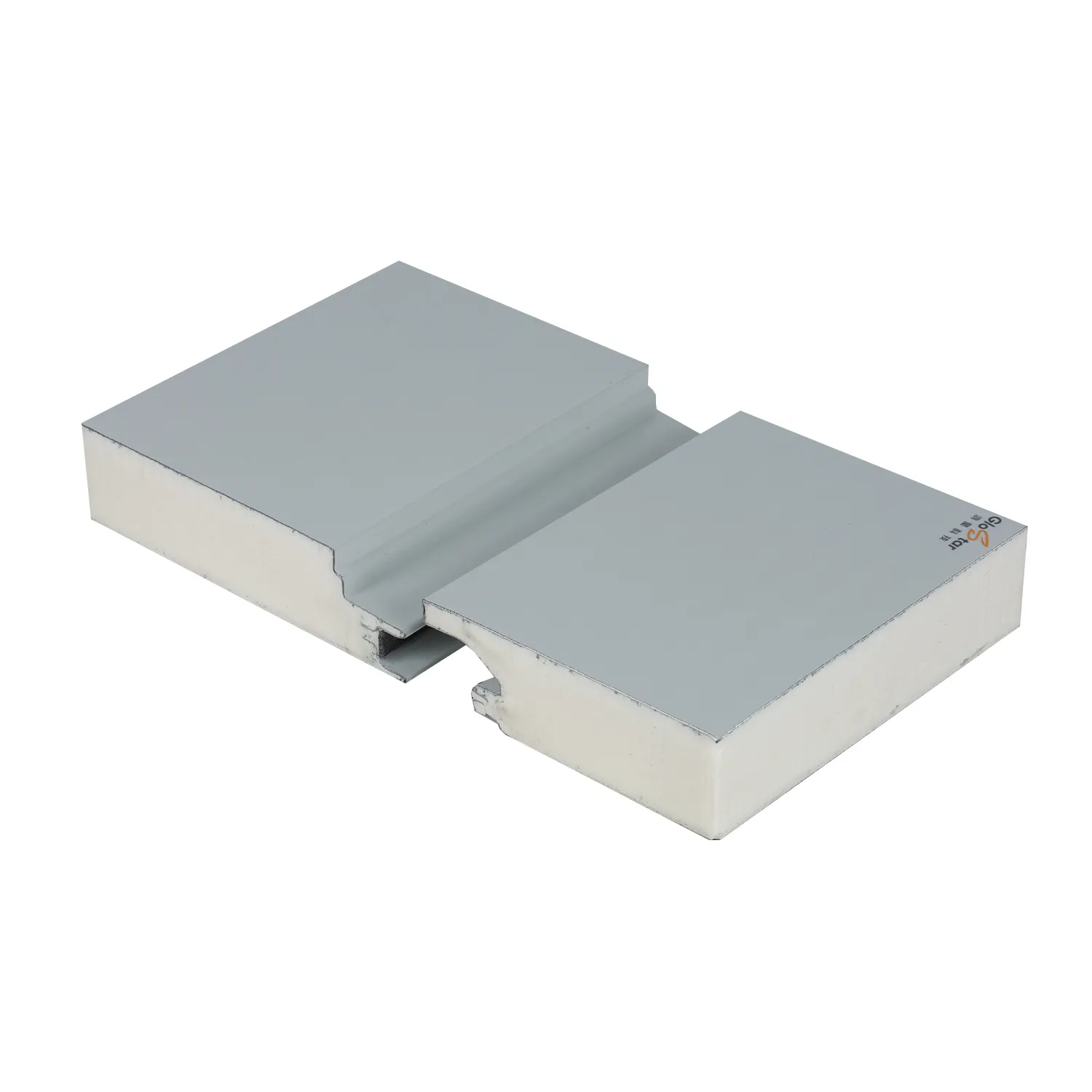
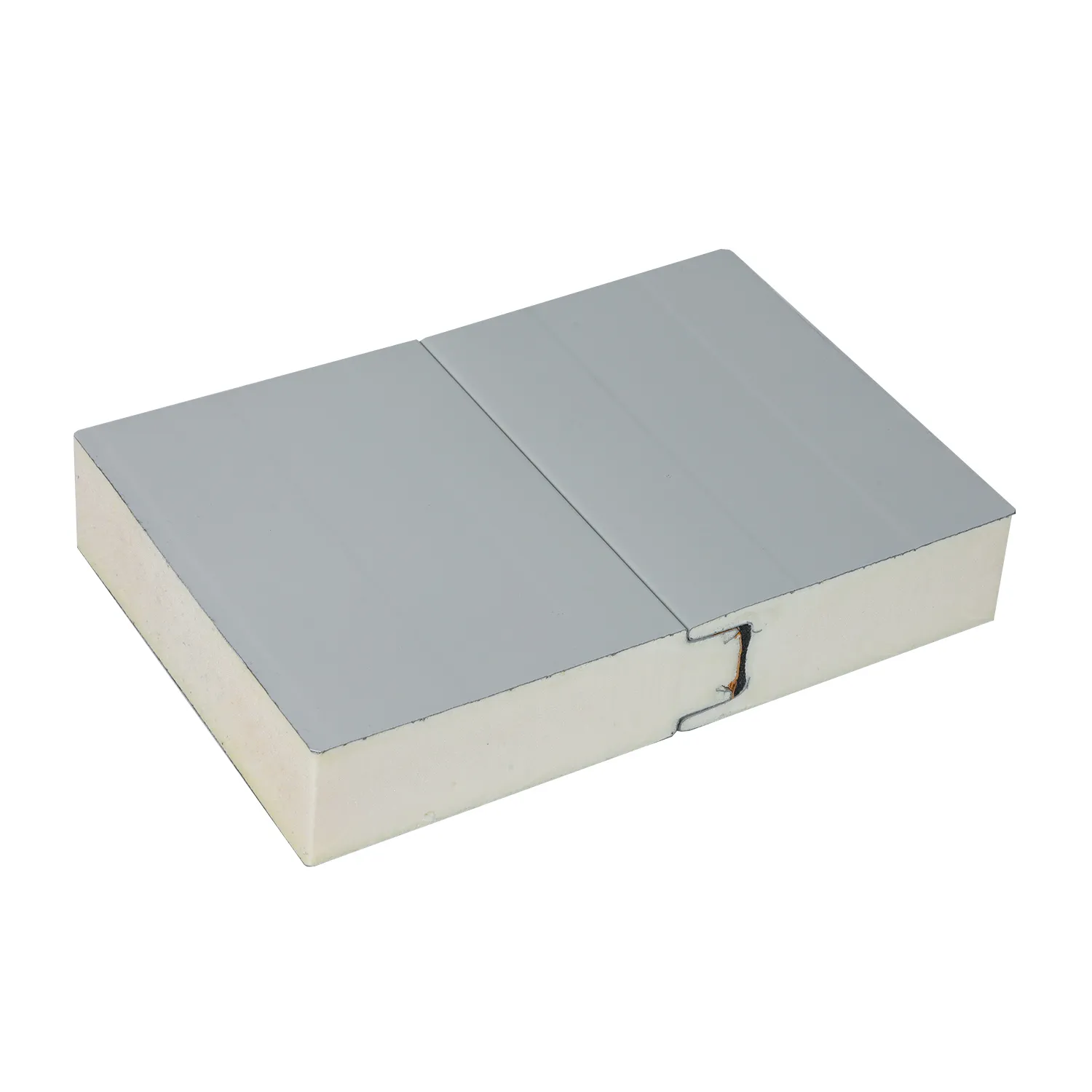
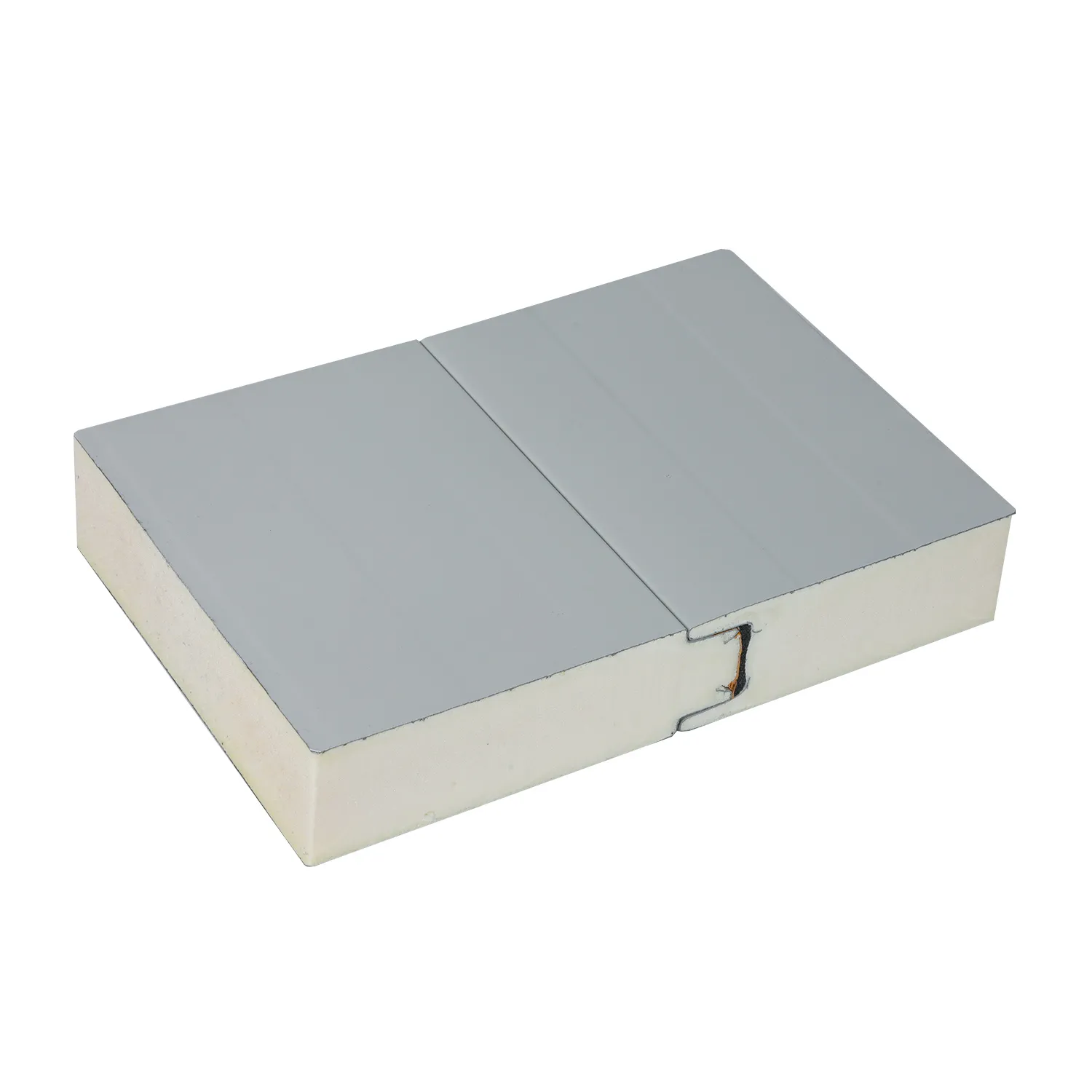
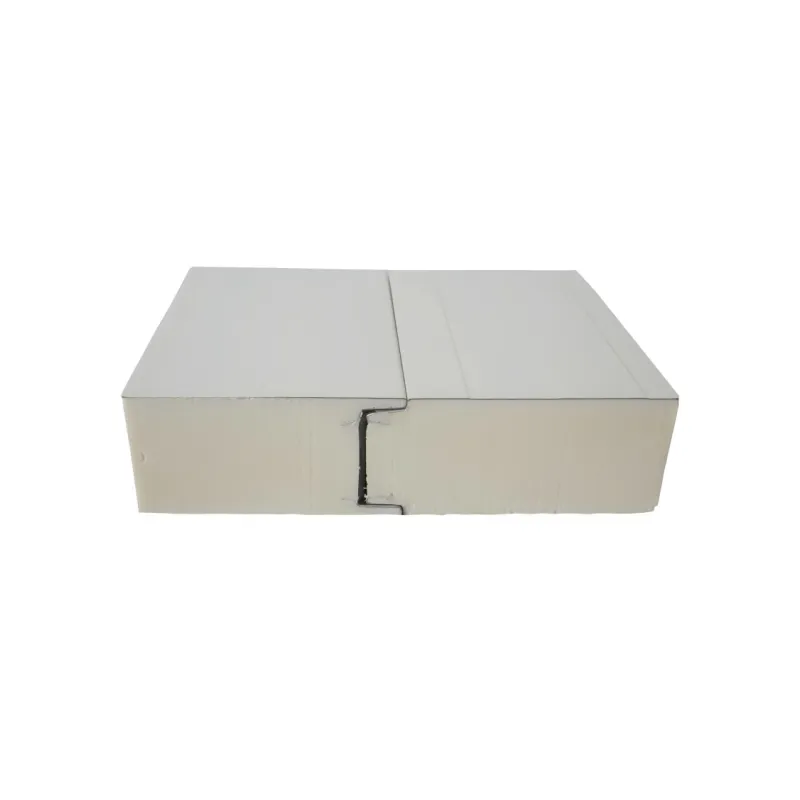
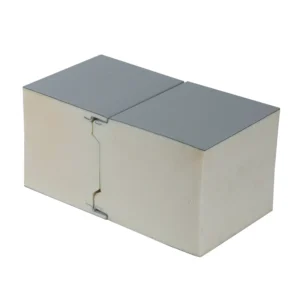
PU sandwich panels consist of two facing sheets bonded to a rigid polyurethane foam insulation core. This composite structure combines thermal insulation, surface finishing, and structural rigidity. The PU core is formed through a single-stage foaming and curing process, creating a dense, closed-cell structure that provides the panel’s thermal performance and structural strength. By integrating the building envelope, insulation, and surface finish into a single factory-produced component, this layered structure helps reduce on-site wet work and simplifies installation.
PU insulation panels offer the advantage of reduced construction steps and lower self-weight; however, final panel specifications must be selected based on the building’s intended use, fire safety strategy, operating temperature, wind loads, span, support spacing, and local regulatory requirements.
Types of PU Sandwich Panels Manufactured by Glostar
PU Wall Panel
PU Roof Panel
Polyurethane Insulated Panel for Cold Rooms
PU Cleanroom Panel
PU Insulated Metal Panel for Building Façades
PU Sound Insulation Panels
Your Trusted PU Sandwich Panels Manufacturer
Are you looking for high-efficiency thermal insulation sandwich panels for new construction or cold storage projects? Glostar’s PU sandwich panels are the ideal choice for wall, roof, and cold storage applications. Our metal insulated panels are widely used in facilities such as cold storage warehouses, industrial plants, logistics centers, and commercial complexes.
Featuring a high-performance core material, Glostar PU sandwich panels offer superior thermal insulation, effectively reducing energy consumption and maintaining stable indoor temperatures even under demanding operating conditions.
The sandwich panels utilize tongue-and-groove or cam-lock connection systems, significantly enhancing on-site installation efficiency and joint airtightness. Each shipment includes a complete set of installation accessories—such as aluminum trim profiles, connecting bolts, sealing strips, and suspension systems—helping customers save time and reduce overall costs on large-scale construction and cold chain projects.
Find the Right PU Panel by Project Requirement
Thermal Insulation
Rigid PU foam provides strong thermal resistance and is widely used where maintaining indoor temperature is a central project requirement. The final thickness must be based on verified thermal conductivity, the target U-value, joint details and operating conditions.
Lightweight Panelized Construction
PU-core sandwich panels are generally lighter than comparable high-density rockwool sandwich panels. Actual product weight depends on thickness, density and facings.
Rapid Dry Installation
PU sandwich panels arrive with the insulation and facing layers already combined. They can be fixed through repeatable details without plastering, curing or installing loose insulation separately.
Airtight Cold-Room Construction
Thermal performance can be lost at poorly sealed joints, corners, floors, ceilings and doors. The panel joint and sealing system must therefore match the operating temperature and vapor conditions.
Tell Us About Your PU Sandwich Panel Project?
Send us your project requirements and our team will help you evaluate the appropriate PU sandwich panel type, insulation core, thickness, surface material and system configuration.
More About Our Company


What Our Customers Say
How to Choose a PU Sandwich Panel
Choosing the right PU sandwich panel depends on your project’s insulation, fire safety, environmental, and structural requirements. Consider the panel thickness, PU core density, steel thickness, surface coating, thermal performance, fire rating, dimensions, and installation method. For cold rooms, factories, cleanrooms, or warehouses, selecting the right panel specifications ensures better energy efficiency, durability, and long-term performance.
Confirm Whether PU Is the Right Core
Choose PU where thermal efficiency, metal sandwich panel weight, construction speed and cost align with the project fire strategy. Use a verified PIR system where improved foam-core fire behavior is required, or rock wool where the specification requires a non-combustible core.
Start with Operating Conditions
Confirm building use, indoor temperature, humidity, external climate and exposure. These conditions influence thickness, coating, joint and vapor-control details.
Calculate the Thermal Requirement
Use verified conductivity and the target U-value to select panel thickness. Include joints and thermal bridges in the assessment.
Select the Facing and Coating
External façades, normal interiors, food-processing rooms and corrosive environments may require different facings and coatings.
Review Joint and Interface Details
Check corners, floors, ceilings, roof laps, flashings, doors and penetrations. Interfaces often create more risk than the center of the metal sandwich panel.
Plan Practical Panel Lengths
Long PU sandwich panels can reduce joints but may increase lifting, freight and damage risk. Balance fewer joints with safe handling and site access.
Compare the Complete Supply Package
Confirm accessories, packing, technical documents, drawing support and delivery scope before choosing a supplier.SAND
PU Panel Solutions for Different Application
Industrial Factories
Use PU wall and roof systems for rapid construction of an insulated envelope with finished surfaces.
Cleanroom environment
PU sandwich panels are used in cleanroom environments, such as pharma facilities, to provide sterile and controlled environments.
Cold Rooms
PU foam sandwich panel package should coordinate walls, ceilings, floors, joints, insulated doors and penetrations around the operating temperature.
Food-Processing Facilities
Interior facing, joint sealant and cleaning resistance must match the hygienic zone and chemical exposure.
Prefabricated Buildings
Lightweight dry construction can support fast assembly of modular offices, cabins, shelters and supporting facilities.
Warehouses
Planned PU sandwich panel lengths and repeatable installation support efficient coverage of large wall and roof areas.
Why Choose Glostar as Your PU Sandwich Panel Manufacturer?
Glostar provides reliable PU sandwich panel solutions backed by consistent manufacturing quality, flexible customization, and professional project support. From panel thickness and dimensions to steel coatings, colors, and insulation performance, we can tailor panels to different building requirements while maintaining stable quality, efficient production, and dependable delivery.
Project-Based Product Selection
We review application, thermal target, fire requirement, structural conditions and installation scope before confirming the configuration.
Faster Installation Planning
PU sandwich Panel dimensions and zones can be coordinated with drawings to reduce unnecessary field cutting.
Reduced Site Labor
The insulated sandwich panel integrates insulation and finished metal surfaces into one prefabricated component.
Accessory and Interface Coordination
The agreed scope include compatible flashings, trims, fasteners, sealants and doors where available.
Quality and Document Control
The approved specification can be linked to incoming materials, production, inspection, packing and delivery records.
Export Packaging and Delivery Support
Packing and shipment planning can account for PU sandwich panel dimensions, loading, unloading and destination requirements.
Technical Communication
Drawings, joint details and installation guidance can be provided according to the agreed support scope.
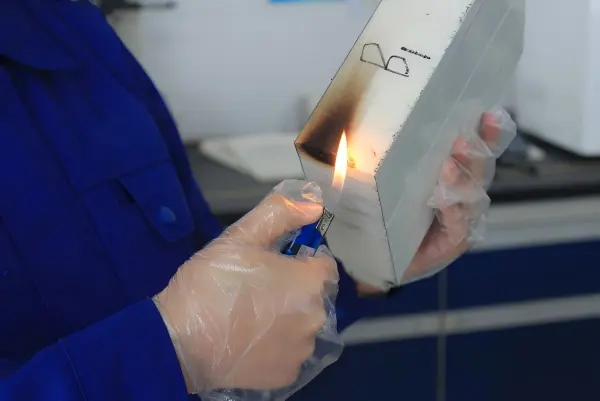

PU vs. PIR Sandwich Panels: Which Is Better?
Thermal Insulation Performance — PIR sandwich panel typically offers slightly better thermal conductivity than standard PU and superior high-temperature stability.
Fire Resistance — PIR sandwich panel generally achieves a higher fire rating than standard PU.
Cost — For the same thickness, PU panels usually has a lower cost.
Cold Chain Applications — PU sandwich panel is widely used in cold storage and refrigeration projects, with mature technology.
Supply Availability — Both can be manufactured on similar continuous composite production lines and are compatible with the same steel facings and joint systems.
For cost-sensitive cold storage and general industrial projects without strict fire rating requirements, PU sandwich panels are usually the more practical choice; however, if a project demands higher fire resistance, it is recommended to evaluate PIR or rock wool options against project specifications.
They combine the insulation layer and the finish into a single unit, eliminating the need for separate construction steps for exterior cladding, insulation, and interior lining. Customizing panel lengths based on drawings further reduces the need for on-site cutting.
PU sandwich panels lengths required for the project can be determined based on elevation drawings or room layouts, subject to production, transport, and handling constraints. The panel schedule and labeling requirements must be confirmed before placing an order.
Selection should be based on target thermal performance, fire safety strategy, operating conditions, weight, cost, and certification requirements. PU typically offers cost-effective insulation performance; PIR is a suitable choice if superior fire resistance is required for the foam core; rock wool should be selected if a non-combustible mineral core is specified. Always verify the system’s performance based on actual test data.
Thickness depends on the target U-value (thermal transmittance), verified thermal conductivity, indoor and outdoor temperatures, joint design, condensation control strategy, and project specifications. Do not select thickness based on price alone.
Yes, provided that the design of walls, ceilings, floors, doors, joints, and wall penetrations meets the requirements for the intended operating temperature and humidity.
Please provide details regarding core material, thickness, facing material, coating, panel profile, joint type, dimensions, quantity, accessories, packaging, destination, and required documentation. Please attach drawings if possible.
Variations may arise from factors such as core density, steel sheet thickness, coating, joint design, dimensions, accessories, packaging, scope of certification, and delivery terms.
Product drawings, joint details, and installation guidelines can be provided based on the agreed scope of service. On-site guidance or full installation services require separate confirmation.
Get an Instant Quote
Tell Us About Your Sandwich Panel Project
Need help selecting the right sandwich panel?
Send us your project requirements and our team will help you evaluate the appropriate panel type, insulation core, thickness, surface material and system configuration.
