
Chapa de aço ondulada para coberturas e revestimento de paredes
A Glostar apoia empreiteiros, importadores, distribuidores de materiais de construção e promotores de projetos na aquisição de chapas de aço ondulado para coberturas e revestimentos de paredes. Quer esteja a planear um armazém, uma oficina industrial, um edifício agrícola ou um recinto comercial, a escolha da chapa adequada começa por compreender a aplicação e as condições do projeto.
Descubra os produtos galvanizados e revestidos a cores chapa metálica ondulada opções e, em seguida, analisar o perfil, a espessura, o acabamento e os comprimentos de corte necessários para o seu edifício. O nosso objetivo é ajudá-lo a definir um caderno de encargos claro, incluindo a cobertura efetiva, os requisitos de revestimento e as informações necessárias para uma proposta de preço adequada.
Descubra as chapas de aço ondulado para o seu projeto
As chapas de aço onduladas podem ser selecionadas com base no acabamento da superfície, na aplicação pretendida e nas dimensões da chapa. Um revestimento de telhado pode exigir verificações de especificações diferentes das de um revestimento de parede exterior, enquanto o ambiente do local influencia a escolha do revestimento metálico e do acabamento pintado.
As opções abaixo constituem pontos de partida para a sua consulta. Os acabamentos dos materiais, as aplicações em telhados, as aplicações em paredes e os requisitos de corte podem sobrepor-se numa mesma encomenda. Confirme a especificação completa, em vez de escolher um produto apenas pelo nome ou pela aparência.
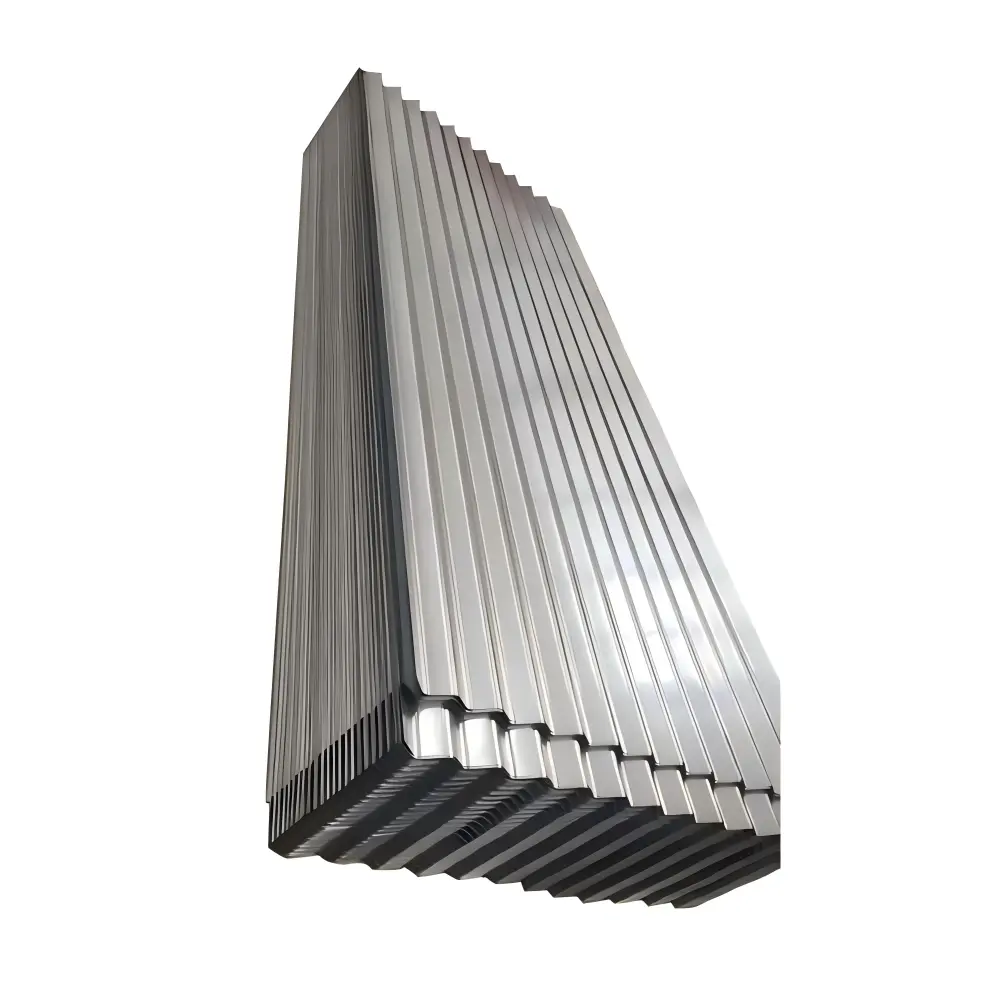
Chapas de aço ondulado galvanizado
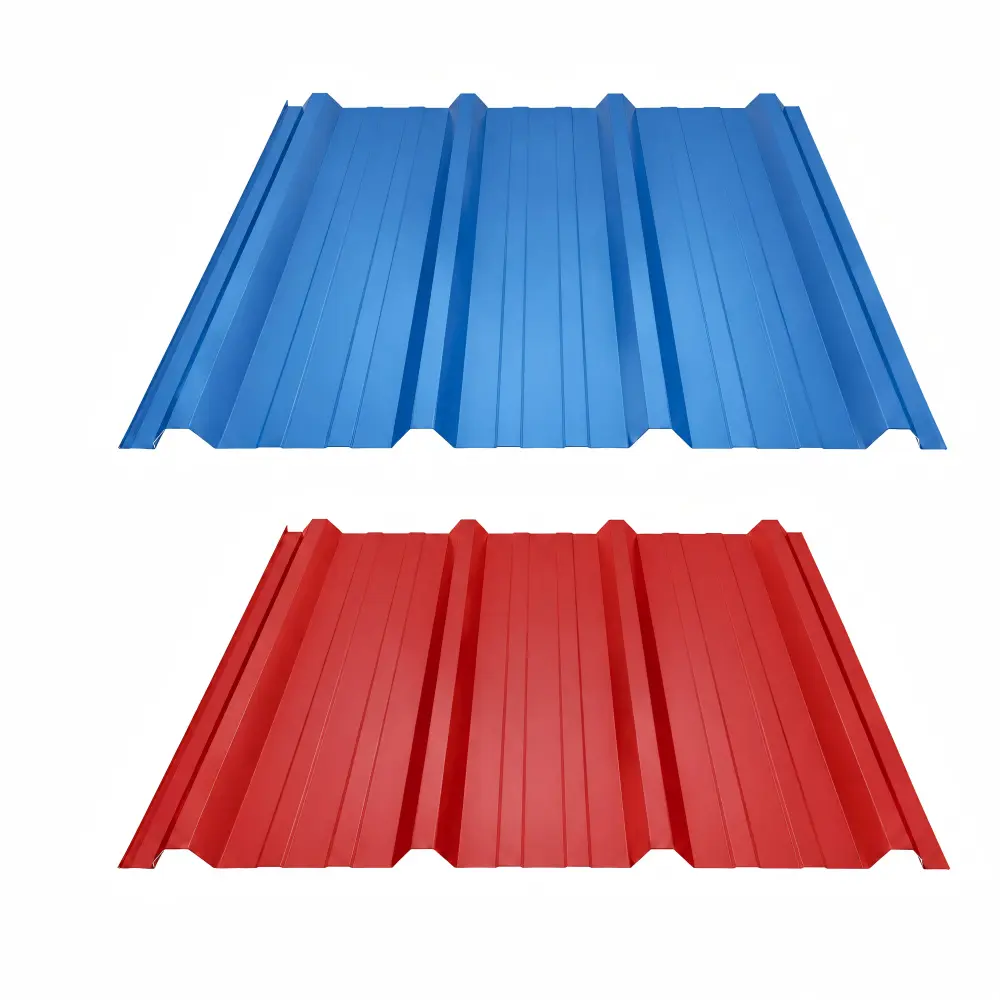
Chapas onduladas revestidas a cor
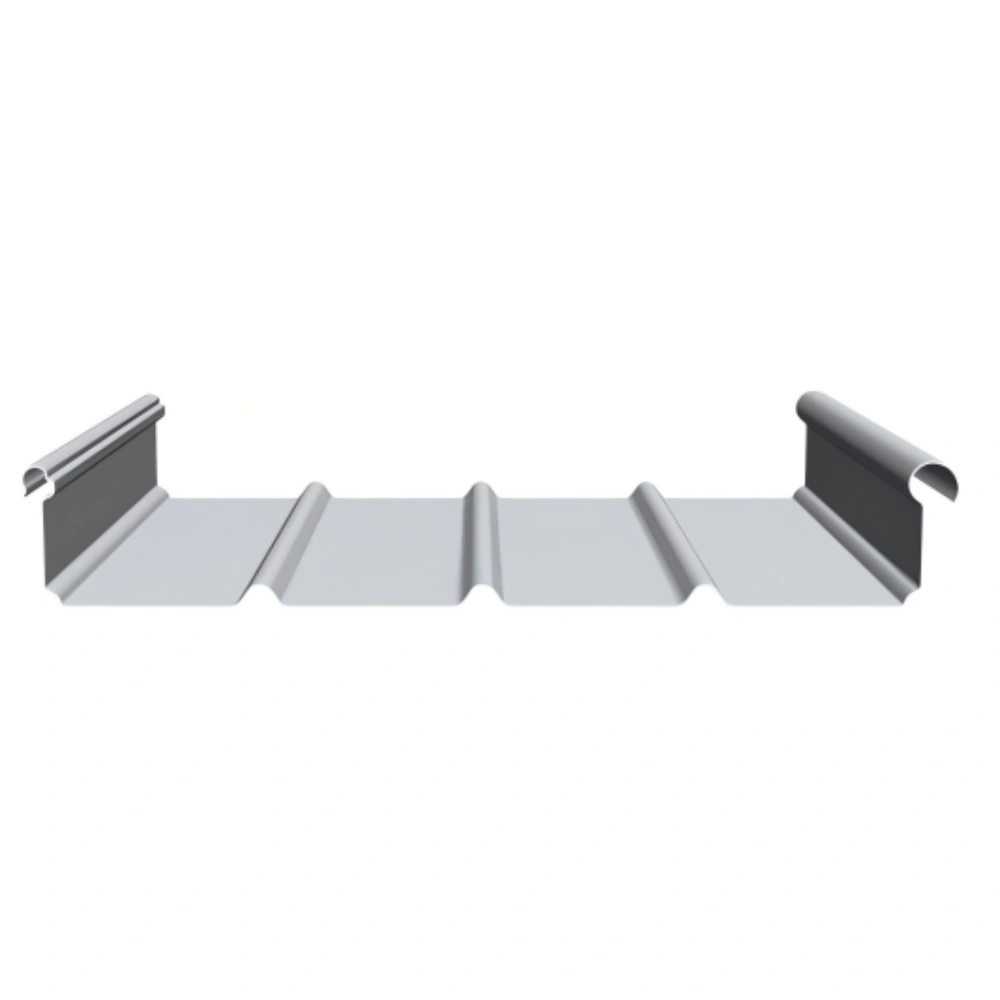
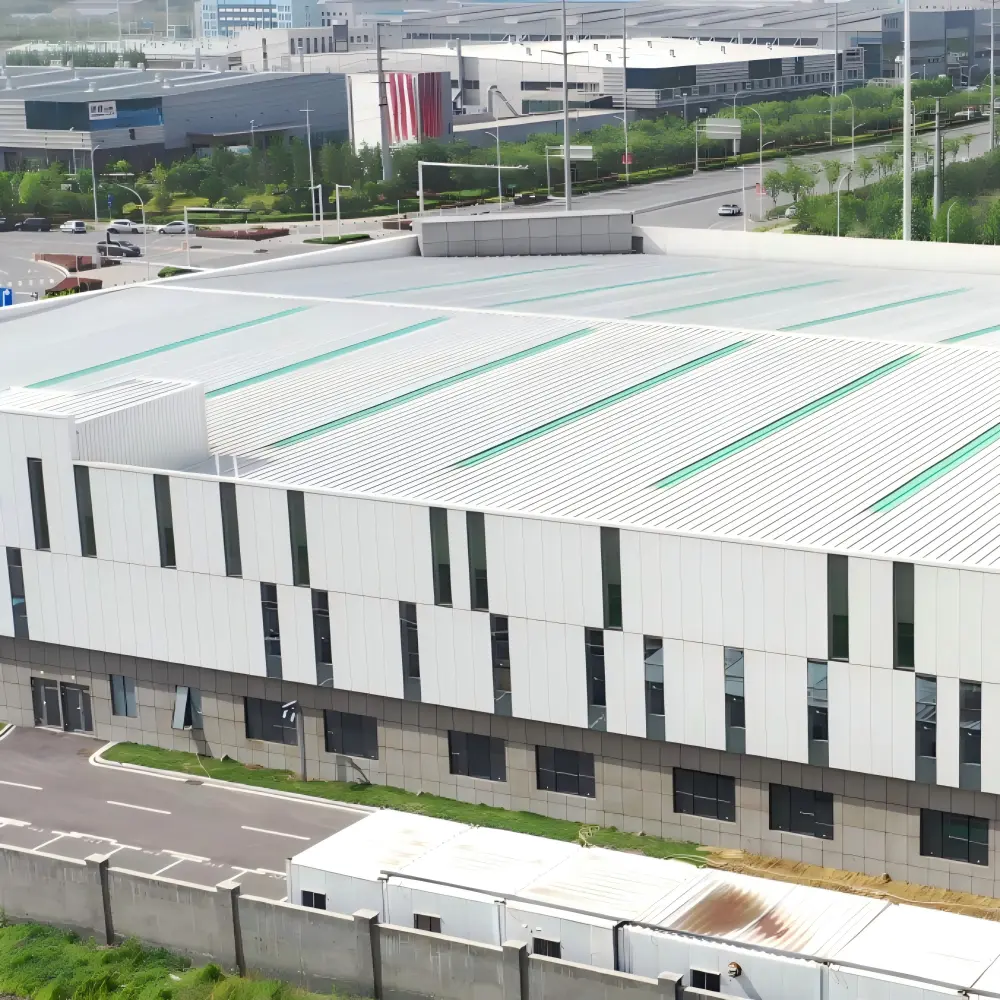
Chapas metálicas onduladas para telhados
As chapas de cobertura metálicas onduladas constituem um revestimento perfilado para armazéns, oficinas, instalações agrícolas e outras estruturas adequadas. As suas ondulações repetidas conferem rigidez às chapas, devendo a montagem do telhado ser concebida para suportar a água, o vento e as cargas estruturais do projeto.
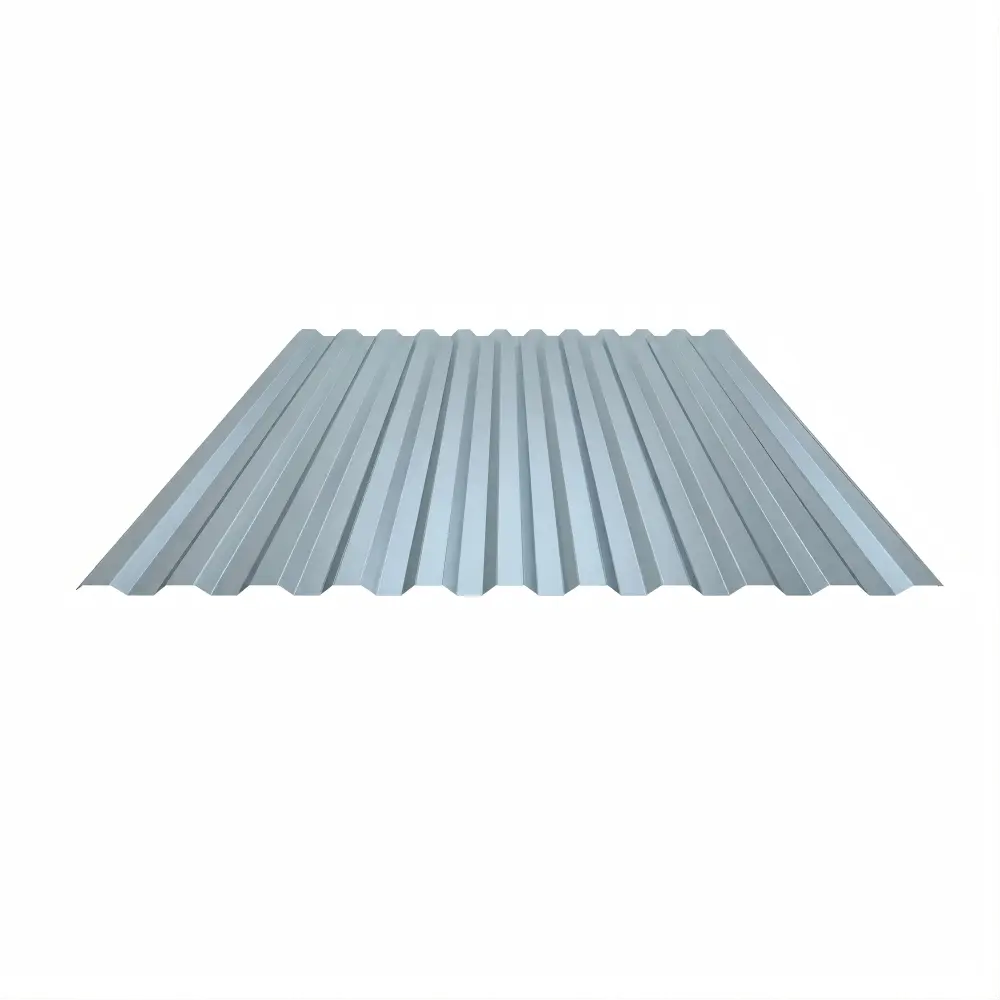
Revestimento de parede em chapa ondulada
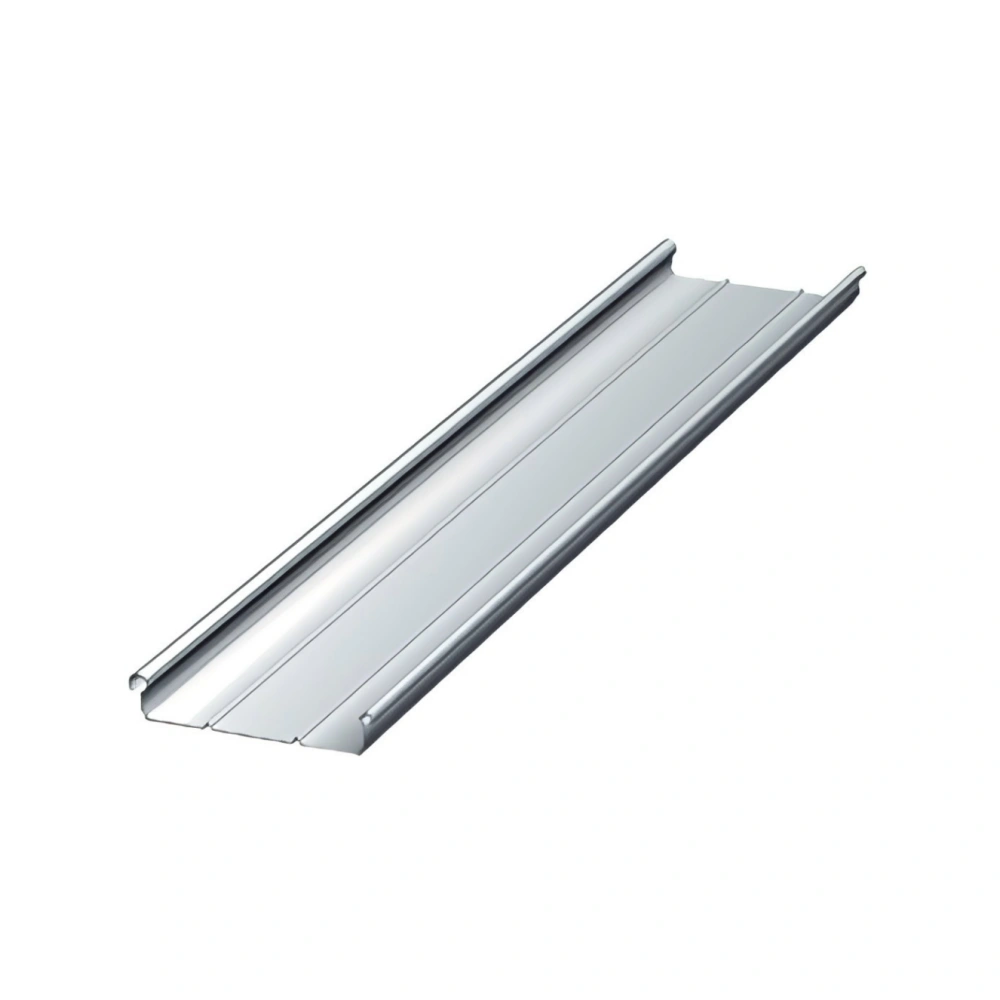
Chapas metálicas onduladas personalizadas
Pode encomendar chapas metálicas onduladas personalizadas à Glostar. Estas chapas metálicas feitas à medida são cortadas com precisão e concebidas especificamente para proteger os seus artigos valiosos durante o transporte e o armazenamento.
Por que escolher chapas de aço ondulado para telhados e paredes?
As chapas de aço ondulado constituem uma solução prática para a cobertura de telhados e o revestimento exterior, desde que as suas características técnicas sejam adequadas ao edifício. O seu valor reside na combinação da geometria das chapas, do peso razoável do material, da escolha do acabamento e da integração com a construção circundante.
Avalie estes benefícios em conjunto com o projeto completo do telhado ou da parede. A adequação do produto depende do perfil real, das especificações do material, das condições de exposição e dos detalhes de instalação.
Revestimentos leves para telhados e paredes
As chapas de metal ondulado de camada única proporcionam cobertura aos edifícios sem um núcleo de isolamento integrado. O seu peso relativamente baixo facilita o manuseamento e o transporte do material, especialmente quando os comprimentos das chapas e as dimensões dos fardos são adaptados às condições do local da obra.
Isto não elimina a necessidade de um projeto estrutural. A estrutura de suporte, os elementos do telhado, os apoios das paredes e as fixações devem continuar a suportar as cargas relevantes. Nos casos em que sejam incluídos isolamento, revestimentos ou instalações técnicas adicionais, o seu peso deve também ser considerado como parte do conjunto completo.
Rigidez resultante da forma ondulada
A transformação de uma chapa de aço ondulada plana num perfil ondulado aumenta a sua rigidez sem exigir o mesmo aumento na espessura do material. Isto torna a geometria do perfil um aspeto importante na seleção do produto, em vez de ser apenas uma característica visual.
A capacidade real de extensão depende das dimensões da ondulação, do tipo de aço, da espessura do metal de base, da disposição dos apoios e do sistema de fixação. Os compradores devem comparar as informações técnicas relevantes do produto selecionado, em vez de partirem do princípio de que chapas com aspeto semelhante terão um desempenho idêntico.
Escolha o acabamento adequado ao seu ambiente
Coordenação com a planta do edifício
As chapas metálicas onduladas podem ser planeadas tendo em conta as inclinações do telhado, as elevações das paredes, as aberturas e as zonas de entrega. A coordenação da cobertura eficaz e dos comprimentos de corte com os desenhos ajuda a estabelecer uma lista de materiais mais clara e a identificar onde são necessários acabamentos ou outros acessórios.
Um calendário bem elaborado também facilita a comparação de orçamentos. Os compradores podem distinguir o fornecimento de chapas das calhas, dos elementos de fixação, do isolamento e de outros componentes, reduzindo o risco de comparar preços que abrangem âmbitos de fornecimento diferentes.
Chapas de aço ondulado: Especificações e detalhes para encomendas
Uma especificação clara facilita a comparação, a elaboração de orçamentos e a inspeção das chapas de aço onduladas. Os nomes dos produtos, por si só, não identificam o tipo de aço, o revestimento, a espessura, a geometria do perfil nem a área efetiva de cobertura após a instalação. Estes detalhes devem ser acordados antes de se finalizar uma encomenda.
| Artigo | Especificações |
|---|---|
| Produto | Chapas de aço onduladas |
| Material de base | Aço galvanizado por imersão a quente / galvalume, alumínio |
| Espessura | 0,13–0,8 mm |
| Largura efetiva | 665 / 800 / 840 / 900 / 1050 mm (personalizável) |
| Padrão | GB, ASTM, JIS |
| Revestimento de zinco | 60–275 g/m² |
| Superfície | Revestimento colorido em PE/PVDF, galvanizado, com relevo |
| Comprimento | Personalizado, até 12 m (disponível com perfilagem no local) |
| Cor | Cores padrão RAL ou amostra de cor do cliente |
| Tolerância | Espessura ±0,02 mm, Largura ±2 mm |
Aplicações das chapas de aço ondulado
As chapas de aço onduladas são utilizadas como cobertura de telhados e revestimento exterior numa variedade de tipos de edifícios. A mesma categoria geral de produto pode servir para diferentes aplicações, mas o material e os pormenores devem ser analisados para cada projeto.
A utilização do edifício, a exposição ambiental, os requisitos estruturais, a ventilação e as condições de temperatura interior são fatores que influenciam a escolha. As aplicações a seguir apresentadas constituem um ponto de partida para discutir o seu projeto, não sendo uma garantia de que uma única especificação se adapte a todos os edifícios.
- Edifícios de armazenagem e logística
- Oficinas industriais e fábricas
- Edifícios com estrutura de aço e pré-fabricados
- Edifícios agrícolas e abrigos para equipamento
- Edifícios comerciais e projetos de reabilitação
Chapas de aço ondulado: Pontos-chave da produção e do controlo de qualidade
Uma encomenda de chapas de aço onduladas envolve mais do que apenas moldar o aço num perfil repetitivo. A identificação do material, o controlo dimensional, a precisão do corte, o estado da superfície e a coordenação da embalagem são fatores que contribuem para garantir que as chapas entregues correspondam aos requisitos acordados.
Os pontos de verificação abaixo descrevem o processo, desde a revisão das especificações até à preparação da expedição. Deve confirmar-se a rota de produção e o âmbito da inspeção aplicáveis ao produto e à encomenda selecionados.
Revisão das Especificações do Projeto
Seleção de bobinas de aço
Verificações de material recebido
Desenrolamento de bobinas
Conformação de perfis ondulados
Verificações das dimensões do perfil
Corte em comprimentos aprovados
Inspeção de superfícies e arestas
Verificação da folha finalizada
Mais informações sobre a nossa empresa
Explore imagens de chapas de metal ondulado, acabamentos de superfície e aplicações em telhados ou paredes. As fotografias dos produtos podem ajudá-lo a discutir o aspeto pretendido, mas a seleção final deve basear-se num perfil identificado e nas especificações acordadas.
Para trabalhos de renovação ou de adaptação, envie fotografias acompanhadas das medidas, sempre que possível. Isto fornece informações mais úteis do que uma imagem isolada na avaliação da compatibilidade dos perfis.
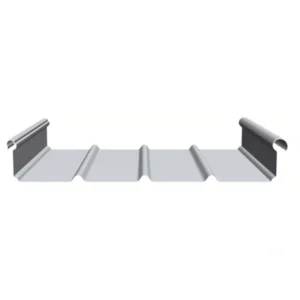
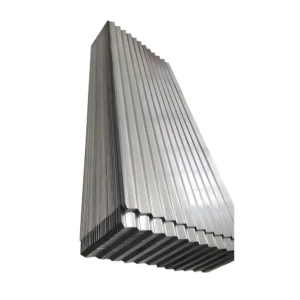
Analise as informações sobre o equipamento relevantes para a conformação, o corte e o manuseamento de chapas. Os diferentes perfis e dimensões das chapas podem exigir diferentes configurações de produção, pelo que o equipamento apresentado deve estar relacionado com o produto em questão.
Contacte-nos para confirmar a capacidade de conformação e os requisitos de dimensões da chapa de aço ondulado que escolheu. Qualquer pedido de processamento especial deverá ser analisado antes de ser incluído na encomenda.
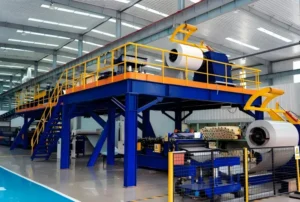
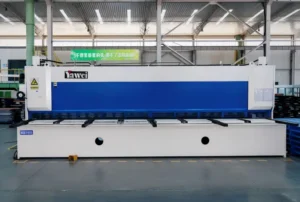
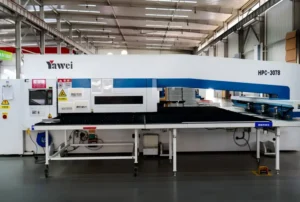
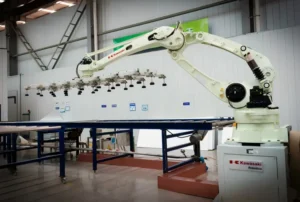
Os vídeos disponíveis podem ajudar os compradores a compreender o aspeto das chapas onduladas, o manuseamento do material e as atividades de produção relevantes. Utilize-os como informação de apoio, a par dos desenhos de perfil, das especificações escritas e das discussões específicas relativas à encomenda.
Se precisar de esclarecimentos sobre um produto ou processo específico, indique o tipo de folha e as informações necessárias, para que o pedido de informação possa ser encaminhado para a equipa competente.
PERGUNTAS FREQUENTES
Perguntas frequentes sobre chapas de aço ondulado
Encontre respostas a perguntas frequentes sobre como escolher e encomendar chapas de aço ondulado para coberturas e revestimento de paredes. Para obter uma recomendação específica para o seu projeto, forneça os desenhos disponíveis, a aplicação pretendida e as condições do local, para que os requisitos relevantes possam ser analisados.
Comece por indicar a aplicação, o desenho do perfil, o tipo de aço, a espessura do metal de base, o revestimento e as dimensões da chapa. Em seguida, confirme a largura efetiva de cobertura, as quantidades, os acessórios e a base utilizada para calcular a área cotada.
A localização do projeto, o espaçamento dos suportes, a inclinação do telhado (quando aplicável) e os requisitos de entrega também fornecem informações úteis. Se a sua especificação estiver incompleta, identifique os detalhes em falta na consulta. Isto ajuda a evitar um orçamento baseado em pressupostos que possam não corresponder ao edifício pretendido.
Não existe uma espessura única adequada para todos os telhados. A escolha depende do perfil ondulado, do tipo de aço, do espaçamento entre os suportes, das cargas de projeto, do sistema de fixação e de outras condições específicas do projeto.
Especifique a espessura do metal comum em milímetros e confirme a tolerância acordada. Um número de calibre, por si só, pode ser interpretado de forma diferente consoante os mercados. A seleção final deve ser verificada com base nas informações técnicas do produto em questão e analisada à luz dos requisitos estruturais do projeto.
A escolha depende do aspeto pretendido, da exposição ambiental, das expectativas em termos de manutenção e das especificações do projeto. As chapas galvanizadas apresentam uma superfície de aço revestida a zinco, enquanto as chapas revestidas a cor incluem um acabamento pintado sobre um substrato com revestimento metálico.
Nenhuma das descrições, por si só, determina a adequação ou a vida útil do produto. Compare o revestimento metálico, o sistema de pintura (quando aplicável) e as orientações específicas do produto. No caso de ambientes costeiros, industriais ou outros ambientes exigentes, descreva as condições de exposição antes de confirmar o material, em vez de o selecionar apenas com base na cor ou no preço inicial.
As chapas metálicas onduladas de camada única não incluem um núcleo isolante e não devem ser consideradas como um sistema completo de isolamento térmico. Nos casos em que seja necessário controlar a temperatura interior, garantir o desempenho acústico ou gerir a condensação, estas necessidades devem ser atendidas no conjunto completo do telhado ou da parede.
A construção adequada pode incluir isolamento, revestimentos e camadas de controlo de humidade separados, ou um produto de revestimento diferente. Indique desde o início a utilização prevista do edifício e os requisitos de desempenho, para que a seleção das chapas seja tida em conta no projeto global.
O preço depende das especificações do aço, da espessura do metal de base, do revestimento, do perfil, do comprimento das chapas, da quantidade, dos requisitos de embalagem e das condições de entrega. Os acessórios e qualquer documentação adicional ou âmbito de inspeção também podem afetar o valor total do orçamento.
Para uma comparação significativa, peça aos fornecedores que apresentem orçamentos com base nas mesmas especificações e no mesmo âmbito. Confirme se os preços por área se referem à área total da chapa ou à cobertura efetiva instalada e, sempre que apropriado, separe o fornecimento de material do transporte ou de outros serviços.
Solicite um orçamento para um projeto de chapas metálicas onduladas
Está à procura de um fornecedor de chapas de metal ondulado para um projeto de construção ou para uma compra a granel? Envie à Glostar os seus requisitos relativos a coberturas ou revestimentos de paredes para discutirmos as opções disponíveis e elaborarmos um orçamento mais adequado.
Uma consulta útil deve incluir o país de destino do projeto, a aplicação pretendida, a referência do perfil, a espessura, o revestimento, os comprimentos das chapas e a quantidade. Desenhos, uma lista de quantidades ou uma lista de cortes podem ajudar a esclarecer o âmbito do fornecimento e a reduzir perguntas de acompanhamento desnecessárias.
Se ainda estiver a comparar materiais, partilhe a informação já disponível e indique sobre o que precisa de aconselhamento. No caso de encomendas de substituição, inclua as medidas dos perfis e, sempre que possível, fotografias das chapas existentes.