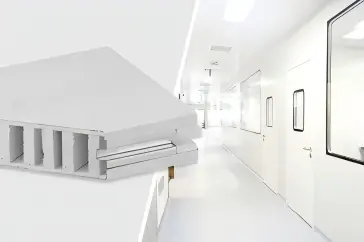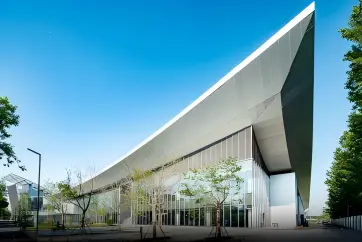
When selecting components for a building envelope system, panel thickness is often a primary consideration, yet it is frequently oversimplified. For polyurethane-edged rock wool sandwich panels, thickness affects not only structural performance but also long-term operational stability and compatibility. Making the right choice requires a systematic analysis based on actual application conditions.
I. Clarify Requirements Based on Project Purpose
Different building types prioritize different functional aspects of envelope materials. Standard industrial plants and logistics warehouses generally focus on structural stability and basic performance, where standard thicknesses suffice. However, for facilities requiring stringent internal environments—such as those needing superior sound insulation or temperature control—thicker sandwich panels should be prioritized to enhance overall performance.
II. Assess Based on Structural Loading Conditions
In practice, PU-edged rock wool sandwich panels are often used in conjunction with purlin systems. When purlin spacing is wide or the panels must withstand significant external forces, increasing the thickness enhances flexural rigidity and overall stability, reduces the risk of deformation, and extends the service life.
III. Consider Regional Environmental Factors
Climatic conditions, wind loads, and temperature fluctuations vary by region, all of which impact the long-term performance of the panels. In environments with complex external conditions, selecting an appropriate panel thickness improves the reliability of the envelope structure and ensures the system’s operational stability.
IV. Comply with Standards and Safety Requirements
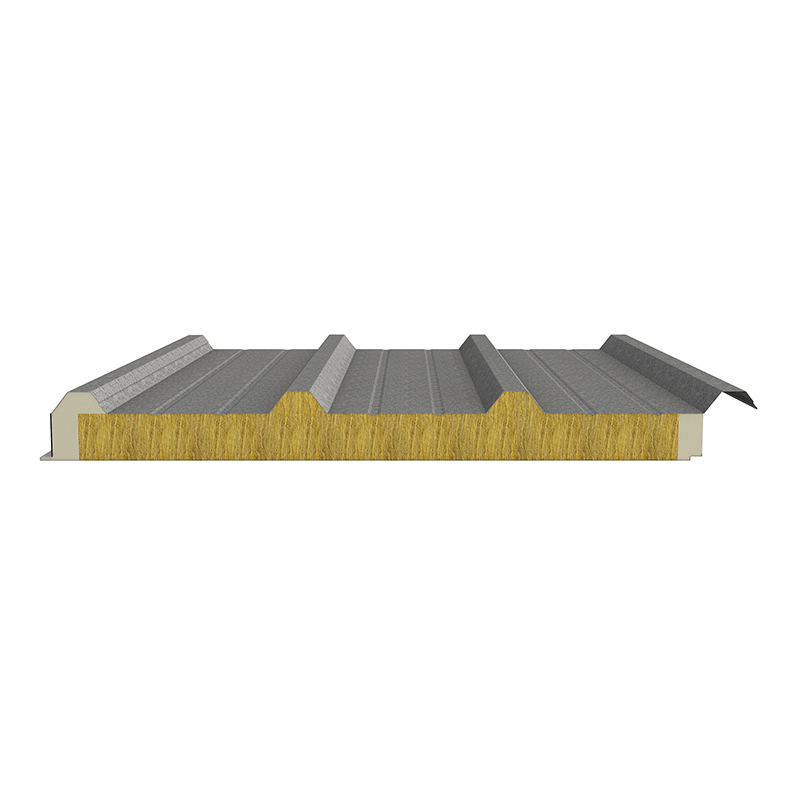
Rock wool cores offer excellent high-temperature resistance, while the polyurethane edge structure enhances edge strength and overall sealing. During the design and selection phase, panel thickness must be determined in compliance with relevant design codes and acceptance standards to meet safety and management requirements.
V. Balance Construction and Cost Factors
Increased thickness affects material usage, transportation, and installation costs. While meeting functional and design requirements, one should weigh construction conditions, project timelines, and the overall budget to select a thickness option that offers the best value, thereby avoiding unnecessary resource expenditure.
Conclusão
The selection of the thickness for polyurethane-edged rock wool sandwich panels requires a comprehensive assessment based on specific project requirements. Only by systematically analyzing factors such as building function, structural conditions, environmental considerations, and construction costs—and thereby determining the appropriate panel thickness—can the material’s performance be fully realized and the stability and suitability of the building envelope system ensured.